
Cannabis Today: Potency, Risks, and the Path to Recovery
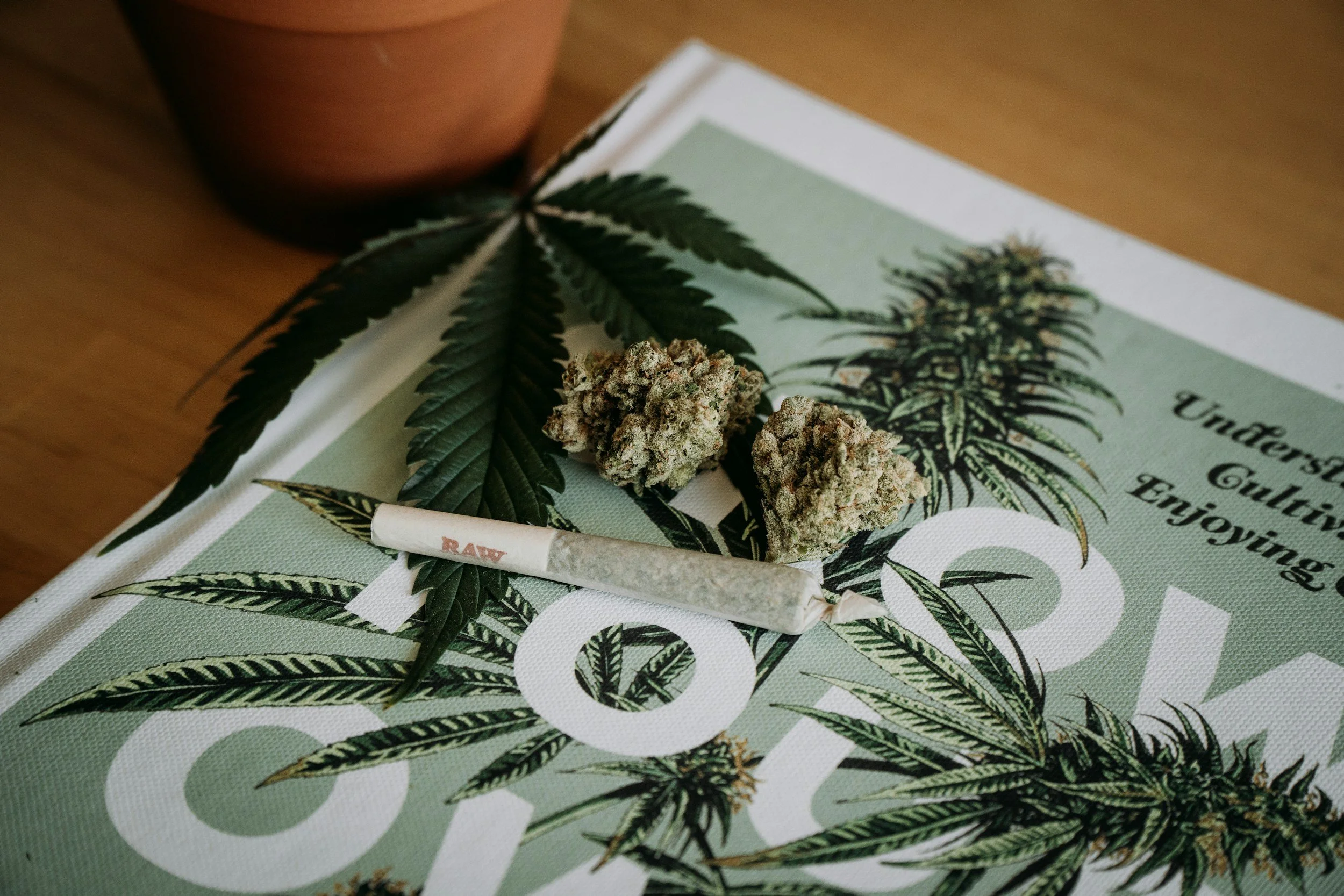
Cannabis has long been viewed as a “soft drug,” often minimized compared to substances like alcohol or opioids. But the cannabis available today is not the same as what was circulating decades ago. As an addiction specialist, I see more and more people struggling with cannabis use disorder, and it’s important to understand why.
The Potency of Modern Cannabis
Cannabis has changed dramatically in recent years. Advances in cultivation and extraction have led to products with much higher THC concentrations—the psychoactive compound responsible for the “high.”
In the 1970s and 80s, cannabis typically contained 2–4% THC.
Today, many strains average 15–25% THC, with some concentrates exceeding 70–90% THC.
This increase in potency means stronger effects, faster tolerance, and a higher risk of dependence. What was once considered “mild” is now far more powerful and potentially addictive.
Side Effects of Chronic Cannabis Use
While occasional use may seem harmless, chronic cannabis use can have significant consequences:
Cognitive Impairment: Memory problems, difficulty concentrating, and reduced motivation.
Mental Health Risks: Increased risk of anxiety, depression, and in some cases, psychosis.
Physical Effects: Respiratory issues from smoking, disrupted sleep, and changes in appetite.
Emotional and Social Impact: Withdrawal from relationships, decreased productivity, and reliance on cannabis to cope with stress.
Tolerance and Withdrawal: Over time, the brain adapts, requiring more cannabis to achieve the same effect. Withdrawal symptoms—irritability, insomnia, cravings—can make quitting difficult.
Cannabis Addiction Is Real
Despite the common belief that cannabis isn’t addictive, research and clinical experience show otherwise. Cannabis Use Disorder (CUD) is recognized by medical professionals and can affect anyone, especially with today’s high-potency products.
Signs of cannabis addiction include:
Inability to cut down despite wanting to
Spending significant time using or recovering from use
Neglecting responsibilities at work, school, or home
Continuing use despite negative consequences
Withdrawal symptoms when trying to stop
Help Is Available
Recovery from cannabis addiction is possible, and support is out there.
Treatment Options:
Outpatient Counseling: Individual therapy to address triggers, coping skills, and underlying issues.
Cognitive Behavioral Therapy (CBT): Helps reframe thought patterns and reduce cravings.
Motivational Interviewing: Builds motivation for change and strengthens commitment to recovery.
Support Groups: Peer support through groups like Marijuana Anonymous or SMART Recovery.
Holistic Approaches: Exercise, mindfulness, and nutrition to restore balance and reduce stress.
For Loved Ones:
If someone you care about is struggling, setting boundaries and encouraging professional help is key. Avoid minimizing the problem—acknowledge that cannabis addiction is real and deserves treatment.
Final Thoughts
Cannabis today is far more potent than ever before, and chronic use carries real risks. Addiction is not a moral failing—it’s a medical and behavioral condition that can be treated. With the right support, individuals can break free from dependence, restore their health, and reclaim their lives.
Recovery is possible. Help is available. And no one has to face this alone.